
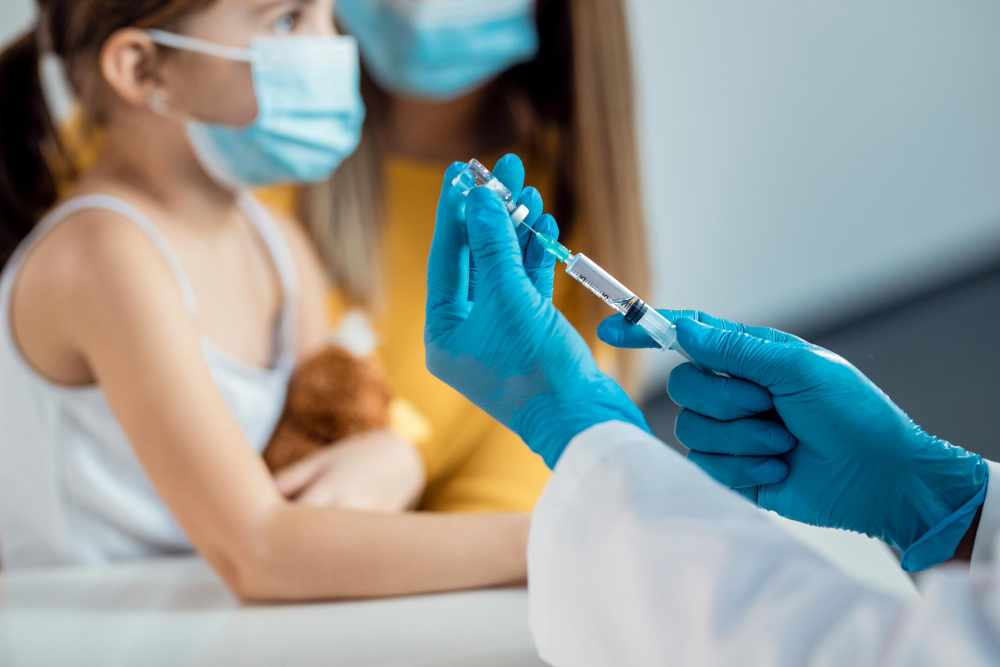
Vaccinations in children are one of the best ways to protect kids from serious diseases. When children get their shots on time, they build strong defenses against illnesses like measles, polio, and whooping cough. In fact, immunization keeps not only your child safe but also helps protect others in your community. This blog explains why childhood vaccinations matter, the recommended schedule, and how vaccines are safe for your child.
Why Vaccinations in Children Matter
Vaccines save lives. They help your child’s body fight off dangerous germs before they can cause harm. Because of childhood immunization benefits, many diseases are now rare or even gone in some places. For example, polio used to paralyze thousands of children, but now it is almost gone thanks to vaccines.
Moreover, when most children get vaccinated, it creates “herd immunity.” This means germs cannot spread easily, so even babies or people who cannot get shots are safer. Therefore, vaccinating your child helps protect the whole community. In addition, vaccines can prevent costly hospital visits and long-term health problems. That is why experts say it is important to vaccinate children and keep them healthy.
Recommended Vaccination Schedule for Children
Doctors follow a set schedule to make sure children get the right shots at the right time. This schedule starts at birth and continues through the teen years. Below are some key vaccines and when they are usually given:
Because schedules may change, always check with your child’s doctor for the latest advice. Some vaccines may need extra doses or boosters as your child grows. For more details, visit the CDC’s official immunization schedule.
Vaccine Safety and Common Side Effects
Many parents wonder if vaccines are safe. The answer is yes. Before any vaccine is given to children, it goes through years of careful testing. Scientists and doctors check each vaccine for safety and effectiveness. Even after approval, experts keep watching for any problems.
Most side effects are mild and go away quickly. For example, your child may have:
Serious side effects are very rare. However, if you notice anything unusual, call your doctor right away. Remember, the risk of getting sick from a disease is much higher than the risk from a vaccine.
How to Prepare Your Child for Vaccinations
Getting shots can make children nervous. However, there are ways to help your child feel better. Here are some tips:
After the visit, offer a treat or extra cuddle time. This helps your child feel safe and cared for.
Frequently Asked Questions About Childhood Vaccines
Are vaccines really necessary if diseases are rare?
Yes. Even if a disease is rare in your area, it can come back if people stop vaccinating. Travel and outbreaks can spread germs quickly.
Can vaccines overload my child’s immune system?
No. Children’s immune systems handle many germs every day. Vaccines use only a tiny part of the immune system’s power.
What if my child misses a vaccine?
Do not worry. Your doctor can help you catch up. It is never too late to get protected.
Are vaccines linked to autism?
No. Many studies show there is no link between vaccines and autism. Experts agree vaccines are safe.
Conclusion
In summary, vaccinations in children are safe, important, and protect your child from serious diseases. By following the recommended schedule, you help keep your family and community healthy. If you have concerns, consult Dr. GANDAM SANDEEP KUMAR . They can give you advice that fits your child’s needs.