
Introduction
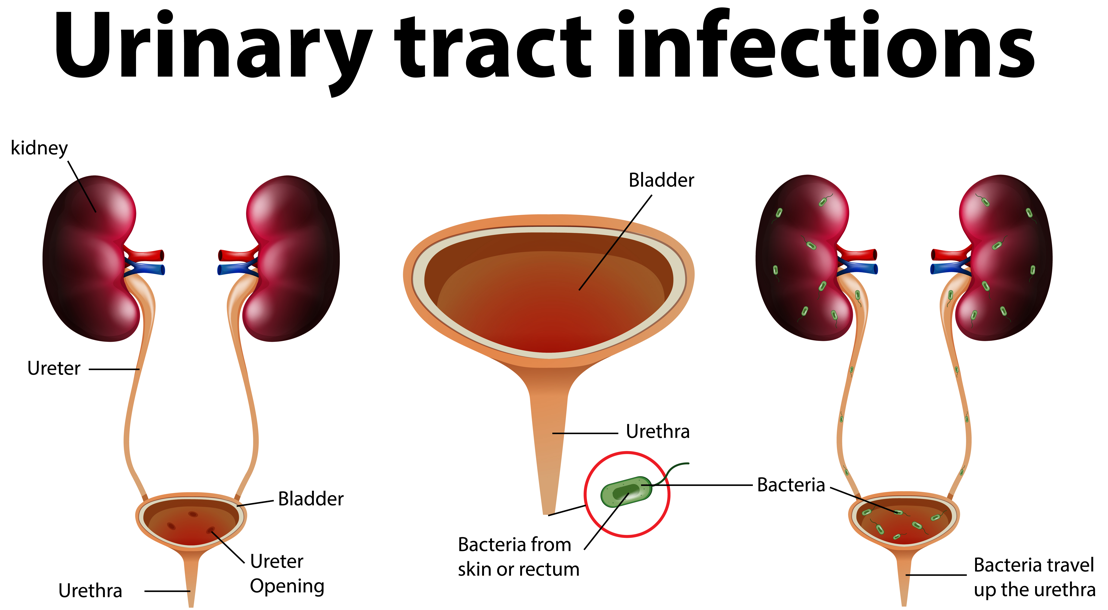
Urinary tract infections in children are common and can affect kids of any age. A urinary tract infection, or UTI, happens when germs get into the urinary system. This system includes the kidneys, bladder, and the tubes that carry urine. Early treatment helps prevent problems. Therefore, knowing the signs and causes of pediatric urinary tract infections is important for parents and caregivers.
Symptoms
UTI symptoms in children can be different from those in adults. Sometimes, the signs are not clear. However, knowing what to look for can help you spot a problem early. Common symptoms include:
In babies, symptoms may include fussiness, poor feeding, or a high fever with no clear cause. Because these signs can be subtle, it is important to watch for any changes in your child’s usual behavior.
Causes and Risk Factors
Most urinary tract infections in children are caused by bacteria, usually Escherichia coli (E. coli). These germs often come from the bowel and enter the urinary tract. Several factors can increase a child’s risk of getting a UTI. For example:
Additionally, children with weakened immune systems or those who have had UTIs before are at higher risk. Good hygiene and regular bathroom habits can help lower the risk.
Diagnosis
Doctors diagnose urinary tract infections in children using a urine sample. First, the child provides a clean urine sample. Then, the sample is tested for bacteria and white blood cells. Sometimes, doctors may order an ultrasound or other imaging tests if UTIs happen often. These tests help check for any problems in the urinary tract. Early diagnosis is key to preventing kidney damage.
Treatment Options
Most UTIs in children are treated with antibiotics. The doctor will choose the best medicine based on your child’s age and the type of bacteria found. Usually, children start to feel better within a day or two. However, it is very important to finish all the medicine, even if your child feels well. In rare cases, a child may need to stay in the hospital for treatment, especially if the infection is severe or the child is very young.
Prevention Tips
There are several ways to help prevent urinary tract infections in children. For instance:
By following these tips, you can help lower your child’s risk of getting a UTI.
Lifestyle and Home Care Guidance
At home, you can support your child’s recovery and comfort. For example, offer extra fluids to help flush out bacteria. Encourage your child to use the bathroom as soon as they feel the urge. Also, dress your child in loose, cotton underwear to keep the area dry. If your child has a fever or pain, ask your doctor about safe medicines. Above all, make sure your child completes the full course of antibiotics.
When to See a Doctor
It is important to contact your doctor if your child shows signs of a urinary tract infection. Seek medical help if your child:
Early treatment can prevent serious problems, such as kidney infections. If you are unsure, it is always better to check with your child’s doctor.
Conclusion
Urinary tract infections in children can be serious, but early care helps prevent complications. Watch for symptoms, follow prevention tips, and seek help when needed. For the best care, consult pediatrician Dr. GANDAM SANDEEP KUMAR for advice tailored to your child’s needs.