
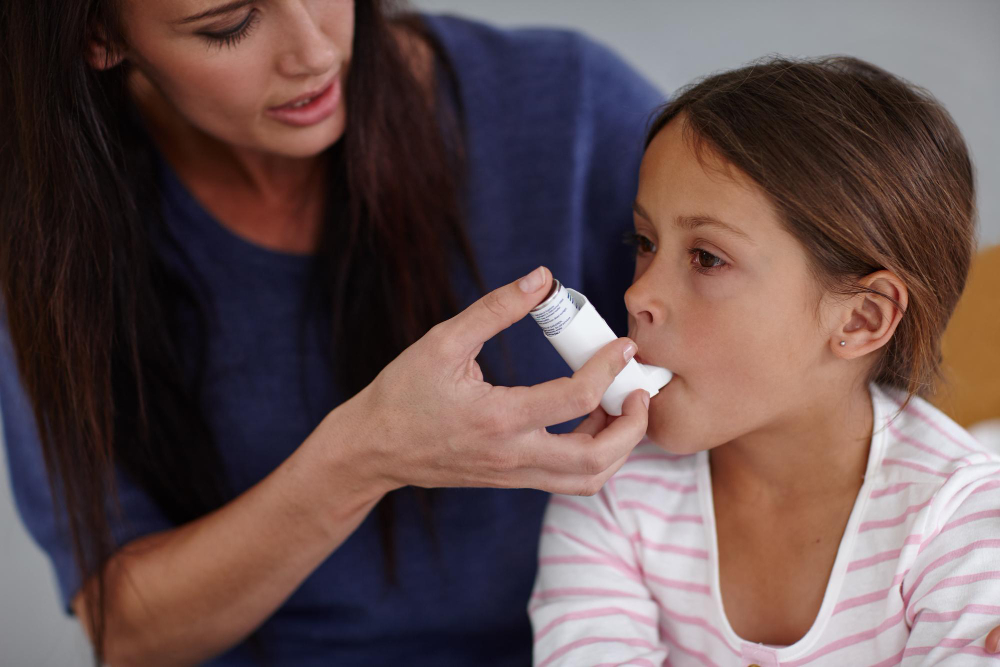
Childhood asthma is a common lung condition that makes it hard for children to breathe. For many families, understanding seasonal triggers that can worsen childhood asthma is important. These triggers, such as pollen or cold air, can cause asthma in children to flare up. Because managing childhood asthma is key to keeping kids healthy, parents should know what to watch for. In this blog, we will explain seasonal asthma triggers, symptoms, and tips for managing childhood asthma all year round.
What Is Childhood Asthma?
Childhood asthma is a long-term condition that affects the airways in a child’s lungs. When a child has asthma, their airways become swollen and narrow. As a result, it can be hard for them to breathe. Children may cough, wheeze, or feel tightness in their chest. Although asthma cannot be cured, it can be managed with the right care. According to the CDC, asthma is one of the most common chronic diseases in children.
Why Are Seasonal Triggers Important?
Seasons can change the air and environment around us. Because of this, certain times of the year can make asthma symptoms worse for children. For example, spring brings pollen, while winter brings cold air and viruses. When parents know about these seasonal triggers, they can help prevent asthma flare-ups. This knowledge helps families plan ahead and keep children safe.
Common Seasonal Triggers That Worsen Childhood Asthma
Recognizing Symptoms of Asthma Flare-Ups
It is important for parents to spot the signs of an asthma attack early. For example, a child may start to cough more, especially at night or after playing. Wheezing, which sounds like a whistling noise when breathing, is another sign. Sometimes, children may feel tightness in their chest or say it is hard to breathe. If a child is breathing faster than usual or using their stomach muscles to breathe, this can be a warning sign. Because quick action can prevent serious problems, always watch for these symptoms.
Prevention and Management Tips
Parents can take steps to help manage childhood asthma during every season. Here are some helpful tips:
When to Seek Medical Help
Sometimes, asthma symptoms can become serious very quickly. If your child is struggling to breathe, cannot speak in full sentences, or their lips turn blue, seek emergency help right away. Additionally, if your child’s rescue inhaler does not help, or symptoms get worse fast, call your doctor. Because early treatment can save lives, never wait if you are unsure. Always follow your child’s asthma action plan and keep emergency numbers handy.
In summary, knowing about seasonal triggers that can worsen childhood asthma helps parents keep their children safe. For personalized advice, consult your child’s pediatrician Dr. GANDAM SANDEEP KUMAR