Introduction
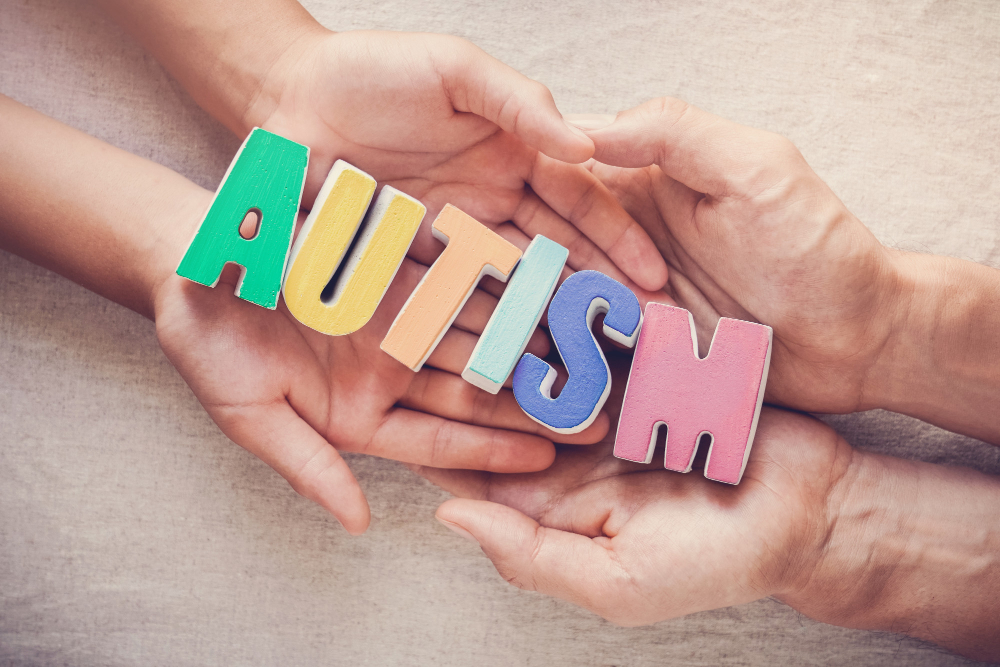
Autism in children is a condition that affects how kids communicate, learn, and interact with others. Many families notice early signs of autism in their children before age three. Because early help can make a big difference, it is important to understand what autism in children means. In this blog, we will explain the symptoms, causes, diagnosis, and support options for families. We will also share tips for parents and caregivers.
What is Autism in Children?
Autism in children, also called autism spectrum disorder (ASD), is a brain-based condition. It affects how a child talks, plays, and relates to others. Children with autism may learn and behave differently from other kids. However, each child with autism is unique. Some children may need more help than others. According to the CDC, about 1 in 36 children in the United States has autism.
Common Symptoms of Autism
Children with autism show different signs. Some signs appear early, while others show up as the child grows. Early signs of autism can include:
Sometimes, children may also have delays in speaking or understanding language. But, not all children with autism have the same symptoms. If you notice any of these signs, it is important to talk to your doctor.
Causes and Risk Factors
Experts do not know the exact cause of autism in children. However, research shows that both genes and the environment play a role. Some risk factors include:
Still, most children with these risk factors do not develop autism. Also, vaccines do not cause autism. This has been proven by many studies from the CDC and WHO.
How is Autism Diagnosed?
Diagnosing autism in children takes time and care. Usually, doctors look for early signs of autism during regular check-ups. If they notice concerns, they may refer your child to a specialist. The process often includes:
Sometimes, other experts like speech therapists or psychologists help with the diagnosis. Early diagnosis can help children get the right support sooner.
Treatment and Support Options
There is no cure for autism, but many treatment options can help children learn and grow. Early support makes a big difference. Common autism treatment options include:
In some cases, doctors may suggest medicine to help with certain symptoms. However, every child is different. Therefore, treatment plans should be made to fit each child’s needs. Autism support for families is also important. Many groups offer help, advice, and resources for parents and caregivers.
Tips for Parents and Caregivers
Raising a child with autism can feel challenging. But, there are ways to help your child and your family. For example:
Remember, you are not alone. Many families face similar challenges and can offer support.
Prevention and Early Intervention
Currently, there is no known way to prevent autism in children. However, early intervention can help children reach their full potential. If you notice early signs of autism, seek help as soon as possible. Early support can improve communication, learning, and social skills. Many programs offer services for young children with autism. Talk to your doctor about options in your area.
Conclusion
Autism in children affects many families, but early help and support can make a big difference. If you suspect your child may have autism, consult a pediatric specialist Dr. GANDAM SANDEEP KUMAR for personalized guidance.